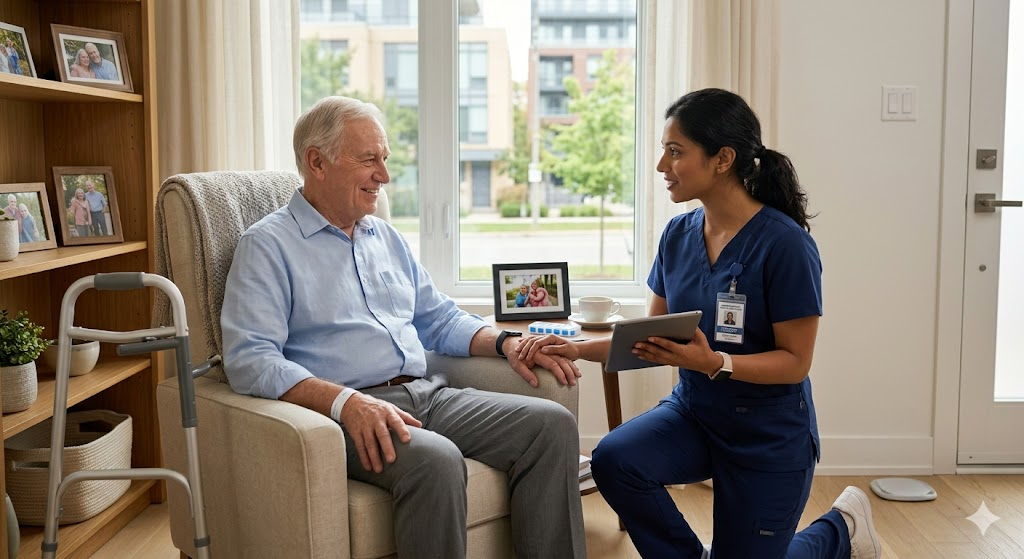


A hospital stay is a physically and emotionally taxing event. However, for the elderly, the period immediately following discharge is often the most precarious. In the medical community, experts call this the “vulnerable period.” Statistics consistently show that a high percentage of seniors are readmitted within 30 days. Surprisingly, this is often not due to the original illness. Instead, complications arise from the difficult transition back to home.
Whether the stay was for a scheduled surgery or a sudden fall, the road to recovery does not end at the hospital exit. On the contrary, it begins there. This guide outlines the essential components of high-quality care in 2026. It explains how families can build a bridge to a safe and sustainable recovery.
1. Understanding “Post-Hospital Syndrome”
Recent clinical research has identified a condition known as Post-Hospital Syndrome. During a stay, a senior’s body is subjected to a “perfect storm” of stressors. These include disrupted sleep, poor nutrition, and physical deconditioning. Furthermore, they often face the cognitive fog of a clinical environment.
When they return home, they aren’t just recovering from a specific ailment. Rather, they are recovering from the hospital experience itself. Their physiological reserves are depleted. Consequently, they become highly susceptible to new infections and medication errors. Recognizing this specific vulnerability is the first step in providing effective care.
2. The Discharge Summary: Your Recovery Roadmap
The transition begins with the Discharge Summary. In a modern 2026 hospital, this is a digital and physical document. It acts as the “instruction manual” for the first 72 hours.
Key Elements to Review:
- Medication Reconciliation: Hospitals often change or add long-term medications. Therefore, it is vital to compare the “new” list with the “old” one. Doubling up on blood thinners is a leading cause of readmission.
- Red Flags: The summary should list specific symptoms that require an immediate call to the doctor. Examples include redness at an incision site or sudden confusion.
- Follow-up Appointments: The “Golden Rule” is seeing a primary care physician within 7 days. This visit ensures the recovery is on track before a minor issue becomes a crisis.
3. Physical Rehabilitation and Mobility
“Bed rest” is often the enemy of the aging body. For every day a senior spends in a hospital bed, they can lose up to 5% of their muscle mass. This leads to Sarcopenia, which is a rapid weakening of the muscles. This condition significantly increases the risk of a catastrophic fall once they are back in an obstacle-filled home.
The Role of Physiotherapy:
Home-based physiotherapy is a cornerstone of recent hospitalization care. A therapist does more than just provide exercises. They also perform a Home Safety Assessment. For instance, they check for loose rugs and ensure grab bars are installed.
Occupational Therapy (OT):
While PT focuses on walking, OT focuses on “doing.” An occupational therapist helps the senior relearn activities of daily living. This includes tasks like dressing or cooking using adaptive tools.
4. Nutrition and Hydration: Rebuilding the Foundation
Hospital food and the stress of illness often lead to significant weight loss. Malnutrition is a silent barrier to wound healing. To address this, post-hospitalization nutrition must be a top priority.
The Recovery Diet:
- High-Quality Protein: This is essential for repairing tissues and regaining muscle mass.
- Fiber and Probiotics: Hospital-grade antibiotics often wreak havoc on the digestive system. This can lead to severe constipation or gut imbalances.
- Hydration Monitoring: Many seniors lose their sense of thirst. Therefore, caregivers must proactively offer water or broths. This prevents the dizziness that leads to dangerous falls.
5. Managing Cognitive Health and “Hospital Delirium”
It is common for seniors to return home feeling “not quite themselves.” Hospital Delirium is a state of sudden confusion. It affects up to 50% of hospitalized seniors. While it usually resolves, it can persist for weeks after discharge. According to the Mayo Clinic, maintaining a familiar environment is crucial for resolving delirium.
Cognitive Re-orientation:
The best way to combat post-hospital fog is a strict routine.
- Natural Light: Ensure the senior is exposed to daylight to reset their circadian rhythm.
- Cognitive Engagement: Gentle conversation and familiar music help “re-anchor” the brain.
- Sleep Hygiene: Avoid caffeine in the afternoon. Furthermore, limit daytime naps to ensure a restorative night’s sleep.
6. The 24-Hour Observation Window
The first 48 hours at home carry the highest risk. Many families find that this is the ideal time to engage a professional home care service. Having a Personal Support Worker (PSW) present provides several layers of safety.
First, they provide 24/7 monitoring. They can spot “Red Flags” that a family member might miss. Second, they ensure safe transfers. They are trained in lifting techniques. This ensures the senior moves from the bed to the bathroom without a fall. Finally, they provide emotional support. The transition from a busy hospital to a quiet home can be lonely.
7. Coordinating the Care Circle
In 2026, healthcare is a team sport. Successful recovery requires seamless communication. This involves the hospital, the family doctor, and the home care team.
Using Technology:
Digital health apps now allow families to upload photos of surgical incisions. Doctors can then review these remotely. Additionally, “remote patient monitoring” tracks vital signs like blood pressure. This acts as a digital safety net for family members who cannot be present 24/7.
Conclusion: A Successful Return to Home
A hospital discharge is a victory, but it is a fragile one. The success of a recovery depends on the quality of care received once they leave the hospital walls. By focusing on medication accuracy and physical rehabilitation, families can ensure the home remains a place of healing. With the right “bridge” of support, a recent hospitalization can become a turning point. It can lead toward a stronger future rather than a cycle of readmission. The goal is not just to get back home; it’s to stay there.
Ultimately, the transition from hospital to home is a journey that requires patience, vigilance, and a proactive mindset. It is important to remember that healing is rarely linear; there will be days of significant progress and moments of fatigue. By embracing a holistic approach—one that values nutritional replenishment as much as medical adherence—families create an environment where a senior can truly flourish. This comprehensive “bridge” of care does more than just prevent a return to the emergency room.
It restores a sense of agency and confidence to the individual. When we prioritize a structured, supported homecoming, we honor the resilience of our elders. We ensure that their recovery is not a period of fear, but a dedicated season of restoration. Investing in high-quality post-hospitalization support is, therefore, the most effective way to protect their long-term independence and overall quality of life. In 2026, we have the tools to make every discharge a lasting success.